Choosing a Counsellor for Sight Loss or Visual Impairment
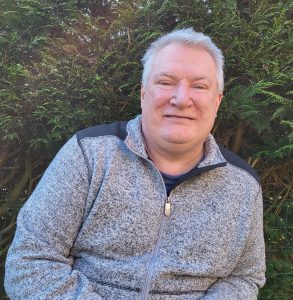
The right counsellor for sight loss or visual impairment often comes down to how well you can work together and whether there is a connection, rather than the type of therapy or symptom you need help with. This site will hopefully help you establish if I might be the right person to help you.
Counselling for Sight Loss and Visual Impairment
Sight loss or becoming visually impaired isn’t just a physical impact, it’s emotional. There may be loss of independence, fear, uncertainty, depression and grief at the life you used to have. You might be able to access practical advice and guidance but who’s listening to how you feel? Who’s helping you cope emotionally? This is where counselling for sight loss or visual impairment can help.
Despite what people might think, being born blind or with a visual impairment doesn’t make things any easier. We may be fed up at feeling disabled by a world not suited to us, or made to feel inadequate or somehow deficient, or experience trauma from our life experiences. Counselling for sight loss can help you come to terms with this.
It can also help if a loved one is experiencing sight loss or visual impairment. Your life has also changed. There will be things you can no longer do together and you may need to spend time dealing with practical or health matters. Emotionally this is tough, and your needs have to be looked after too.
The video below has a brief overview of my approach and background plus you can read a transcript or listen to it as an MP3.
docx | 15.4 KB
mp3 | 3.41 MB
How Counselling for Sight Loss or Being Visually Impaired Can Help
People will often tell you what to do or give advice to try and make you feel better, but not necessarily listen. But sometimes that’s what we need, someone who can listen and help us work out what we feel about something, or ways to cope with it. This is what counselling for sight loss does. Rather than the practical day-to-day advice that charities or health services can provide, it looks at the emotional side of it. It helps with the thought patterns, the ways of understanding what’s happening, or has happened.
With empathy, sensitivity, understanding and an ability to listen I’ll let you talk about what you need to talk about. Together we can find ways of coming to terms with what’s happening and how you might live from it.
I use a range of different techniques and methods, depending on what might work for you. I am qualified as a person-centred counsellor but I am equally comfortable working with cognitive-behavioural therapy (CBT), solution-focused brief therapy, mindfulness and emotional regulation techniques. But you don’t need to worry about the most effective form of therapy for you, that’s what I’ll work with you to find out. Then we can use whatever might work best for you.
Easing Anxiety
Anxiety comes in many forms, from Generalised Anxiety to social fears. And depression often arises from it because we can’t see a way forward and it seems to take over. I can help you find ways to ease this debilitating feeling.
Neuroaffirmative Therapy
Neuroaffirming therapy and counselling means accepting how people are without trying to change them. It is particularly useful with neurodiversity where people are often diagnosed and ‘treated’. Learn how to celebrate who you are and live from it.
Managing Major Life Changes
Bereavement, redundancy, children leaving home, career changes, moving home, illness, relationship changes and burnout can all turn our lives upside down. Counselling can help you come to terms with major changes and find a way forward.
Arranging Counselling for Visual Impairment or Sight Loss
I can provide counselling online via Zoom or from comfortable private premises in Shavington (CW2) near both Crewe and Nantwich in Cheshire. The therapy space is on ground floor level with parking available on a driveway or the roadside.
I use what3words to help you find the location and can guide you the 50m along an unobstructed wide path to the therapy space, or you are welcome to make your own way if assistance isn’t required. There are two small steps and a ledge on the door frame which means it isn’t easily wheelchair-accessible. Assistance dogs are very welcome.
Documentation is provided in Word using Arial font size 14 as standard and sent via email, but I’ll happily change that if you have an alternative preference. I don’t produce any physical items or documentation and I’m happy to use telephone, text or WhatsApp for communication if preferred.
Flexibility around session timings, frequency and length to suit your requirements is absolutely fine. Sessions cost £60 for face-to-face or £50 online. I can be contacted by leaving a message on 01270 665076 and I’ll call you back, or alternatively fill in the contact form below.
Contact Details
I can provide therapy from my premises in Shavington (between Crewe and Nantwich), online using Zoom, or email counselling and have good availability including daytimes, evenings and weekends. I also offer flexibility around session times and lengths.

Contact Form
My Journey of Finding Peace
I’ve always been drawn towards writing and journalling and found it a big help in my own journey. I’ve written a book about my experiences which also contains guidance on ways to live and thinking patterns. Creating it has helped me and reading it may also help you too.
Professional Accreditations